 ultimate-guide
Why Choose USA Made Personalized Gifts: A 2026 Guide
Table of Contents
- Why Choose USA Made Personalized Gifts in 2026
- The Emotional Impact of Thoughtful Gifting
- Supporting Small Businesses in the USA
- Custom Gift Quality Standards That Matter
- Personalized Gifts That Look Expensive: What to Look For
- Occasions That Call for Custom Keepsakes
- Material Sourcing and Sustainable Shipping
- Gift-Giving Etiquette for International Recipients
- Frequently Asked Questions
Last Updated: October 3, 2026
Why Choose USA Made Personalized Gifts in 2026
Choosing USA made personalized gifts means selecting items designed, assembled, and shipped domestically, which gives you shorter shipping windows, clearer quality oversight, and the ability to support the small businesses behind each product.
The Emotional Impact of Thoughtful Gifting
A personalized gift works because it proves attention. The recipient sees their own name, a date, or a phrase only the two of you would recognize, and that specificity reads as effort. Thoughtful gifting is less about the price tag than the evidence that someone remembered a detail.
Why Customization Creates Intimacy
Customization creates intimacy by narrowing a generic object down to one person. A blanket is a blanket; a woven blanket with a name and a date belongs to someone. That shift from "a gift" to "their gift" keeps a keepsake on a shelf instead of in a closet.

Supporting Small Businesses in the USA
Money spent with a small domestic maker tends to stay closer to home. Supporting small businesses in the USA means your order funds a smaller operation rather than a large fulfillment network.
The Community Impact of Buying Local
The community impact of buying local shows up in ways that are hard to see from a product page: local hiring, local packaging suppliers, and local shipping partners.
Custom Gift Quality Standards That Matter
Custom gift quality standards describe the checks a maker applies before an item leaves the building: color accuracy against the proof, edge and finish inspection, and hardware security on anything with a clasp or chain. These standards separate a keepsake from a disappointment.
How to Verify Authenticity and Supply Chain Transparency
Verifying authenticity starts with asking specific questions rather than accepting a general claim. Supply chain transparency means the seller can name where materials come from, where assembly happens, and where the item ships from.
- Ask which facility assembles and ships the item
- Ask whether the seller handles production in-house or through a partner
- Request a photo of a finished piece, not just the digital mockup
- Confirm the return window and what it covers
- [ ]
| Question to Ask | What a Good Answer Sounds Like | What to Watch For |
|---|---|---|
| Where does it ship from? | A domestic facility | Vague "our warehouse" |
| Who assembles it? | In-house or a partner | Deflection or silence |
| Can I see a real photo? | Yes | Mockups only |
| What is the return window? | Clear terms | "Contact us" with no terms |
| Is the material sourced domestically? | An answer | "Wherever possible" |
Personalized Gifts That Look Expensive: What to Look For
Personalized gifts that look expensive share a few traits: restrained design, solid materials, and finishing that holds up to handling. A woven cotton blanket with colorful fringe reads as considered, while a flimsy print on thin stock reads as rushed. The difference is rarely the price. It is the material choice and how carefully the personalization is placed.
The Heirloom Artwork Woven Blanket is woven on a loom with 100% cotton yarn and finished with colorful fringe, and each order is packaged ready to be cherished. The "To My Daughter" and "Life is Better With You" designs use the same construction, so you are choosing a message rather than a quality tier.

Occasions That Call for Custom Keepsakes
Anniversaries, milestone birthdays, Mother's Day, Father's Day, graduations, weddings, housewarmings, and new-baby arrivals are the occasions where a keepsake earns its place. These events already carry emotional weight, so a personalized item amplifies what the moment already means rather than manufacturing sentiment. What separates a keepsake that gets displayed from one that gets stored is how tightly the personalization is tied to the occasion.
Matching the Keepsake to the Occasion
| Occasion | What Works | What to Avoid |
|---|---|---|
| Anniversary | Shared date, initials, a short phrase only the couple recognizes | Long quotations, inside jokes |
| Milestone birthday (30th, 40th, 50th) | Birth year, a single word that captures the decade | Jokes about age |
| Mother's Day / Father's Day | Children's names, a family date, a handwritten-style message | Generic "World's Best" phrasing |
| Graduation | School name, graduation year, a short aspiration | Anything that locks the recipient into a specific path |
| Wedding | Couple's names, wedding date, venue city | Registry-style items |
| New baby | Full name, birth date, birth weight, time of birth | Nicknames the parents haven't settled on yet |
| Housewarming | Family surname, move-in year, street name | Anything that assumes the recipient will stay |
The Occasions Where Personalization Backfires
Not every occasion rewards a personalized gift. Get-well-soon gifts, condolence gifts, and gifts for someone going through a major life transition (divorce, job loss, a move) can feel intrusive when they carry a name or date that pins the moment in place.
Timing and Lead Time by Occasion
Personalized items are made to order, so the calendar matters more than it does for off-the-shelf gifts. Woven personalization adds a distinct production step with its own queue. For a wedding, graduation, or Mother's Day, order several weeks ahead; for a birthday or anniversary, a shorter window is usually fine but leaves no room for a redo if the proof comes back wrong.
If the occasion is fixed, a wedding date, a graduation ceremony, confirm the maker's production and shipping window in writing before ordering, and ask what happens if the item arrives late.
Gift Wrap with Personalized Message →
Material Sourcing and Sustainable Shipping
Material sourcing and shipping distance both affect a gift's footprint. A domestically assembled and shipped item travels fewer miles than one routed through multiple international hubs, and fewer handoffs means less packaging waste per order. The harder part is confirming the material itself is domestic, because "assembled in USA" and "made in USA" are not the same claim.
What Domestic Material Sourcing Actually Looks Like
- Domestic cotton. Cotton grown and spun domestically is traceable to specific growing regions. A woven blanket made from domestic cotton yarn has a shorter and more verifiable supply chain than one made from imported yarn woven domestically.
- Domestic metals and glass. Sterling silver, gold, and the glass used in plaques and ornaments are frequently sourced domestically.
Supply Chain Transparency: How to Verify What You're Told
The Federal Trade Commission's "Made in USA" standard is the reference point: an unqualified "Made in USA" claim generally means final assembly or processing occurred in the United States and that all or virtually all significant parts and processing are of domestic origin. A qualified claim, "assembled in USA," "made in USA from imported materials," "designed in USA", signals that some part of the chain is not domestic, and the qualifier tells you which part.

That distinction matters because the three labels describe very different products:
| Label | What It Generally Means | What It Doesn't Tell You |
|---|---|---|
| Made in USA | Final assembly and significant parts and processing are domestic | Which specific materials are domestic |
| Assembled in USA | Final assembly happened domestically | Where the components or materials came from |
| Designed in USA | Design work happened domestically | Where anything was actually made |
Questions That Surface the Real Supply Chain
Verification means asking questions:
- Which specific materials in this item are domestic, and which are imported?
- Can you name the mill, tannery, or refiner the material came from?
- Is the personalization (weaving) done in the same facility as assembly, or sent out?
- If I ordered this item six months from now, would the material source be the same?
The Shipping Side of the Footprint
Shipping distance is the easier half of the sustainability story. A domestically made and shipped item typically moves through one or two handoffs, maker to carrier to recipient, while an imported item moves through manufacturing, consolidation, ocean or air freight, customs, a distribution center, and the last mile.
For personalized gifts, the domestic route has a second advantage unrelated to carbon: if the personalization is wrong, a domestic maker can usually remake and reship within the same production window.
FTC Made in USA labeling standard and qualified claims guidance
Gift-Giving Etiquette for International Recipients
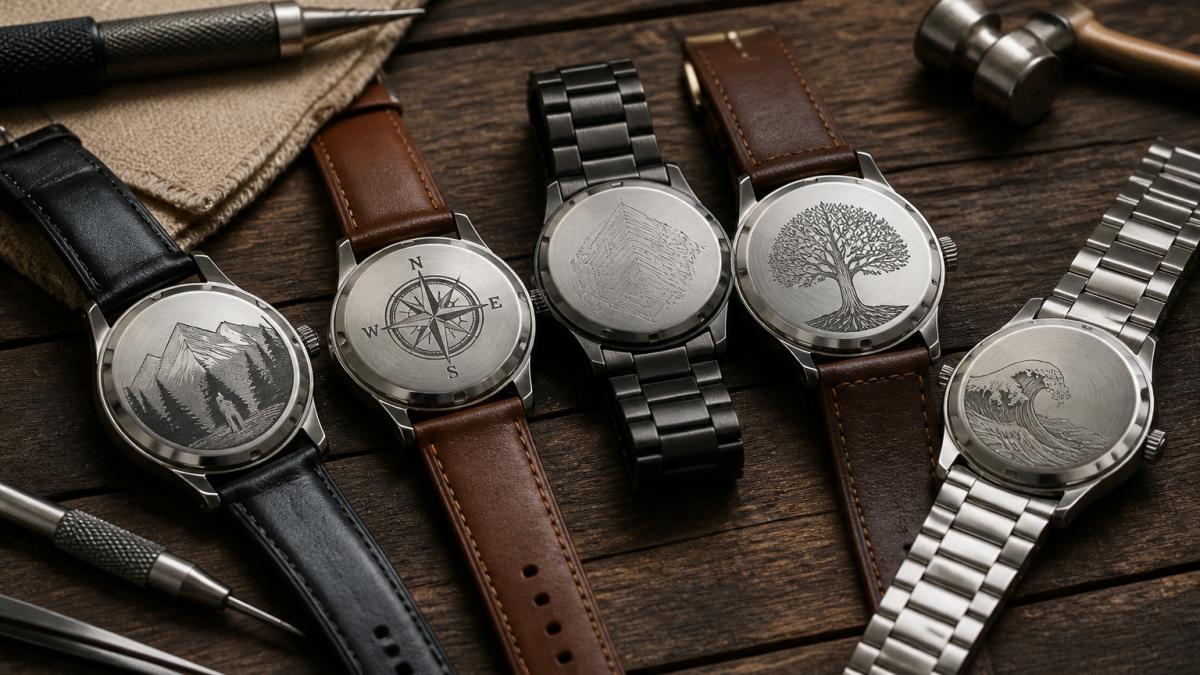
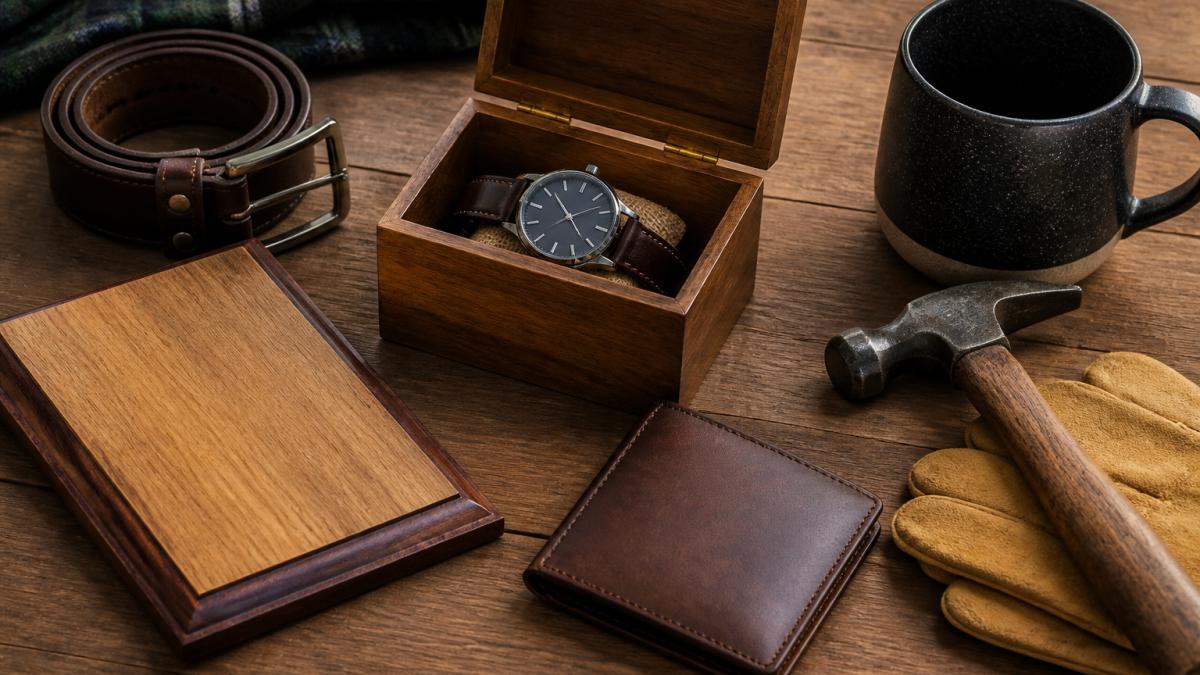
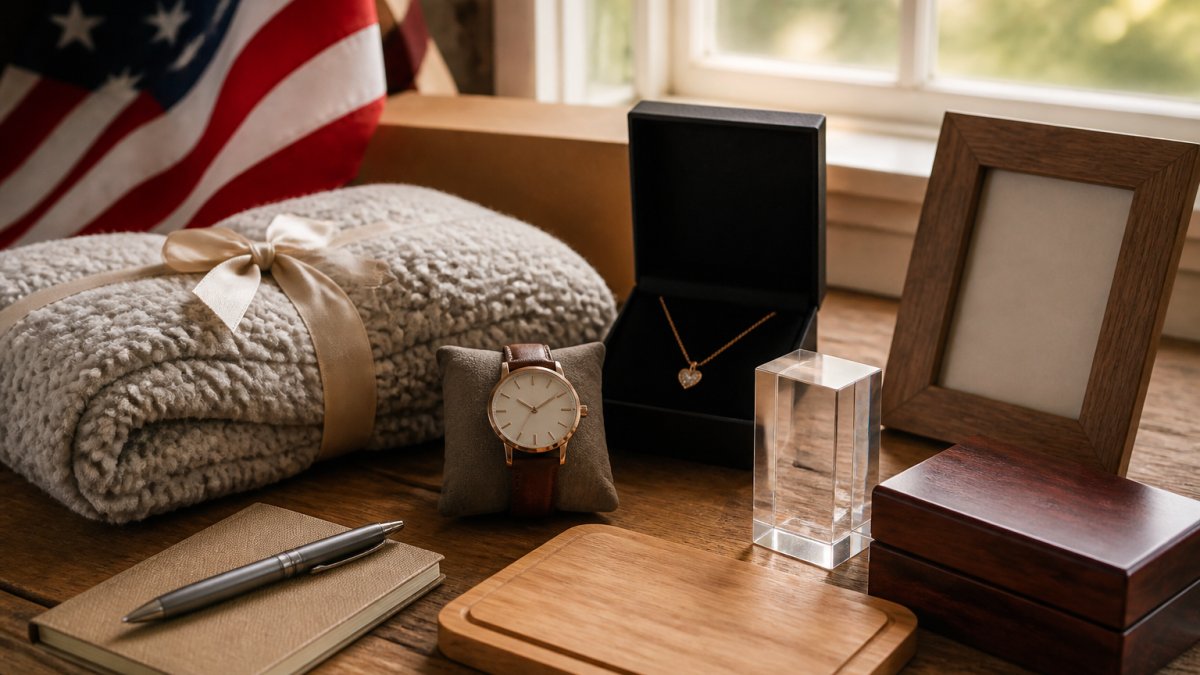
Choosing a personalized gift means trusting a seller with something that carries real meaning, and that trust is earned through clear answers about where an item is made, how it is assembled, and what happens if it arrives wrong. The Crystal Gift Barn builds that trust with most products designed, assembled, and shipped from a USA factory, a 100% customer satisfaction guarantee, and a curated range of keepsakes including personalized necklaces, watches, blankets, and custom plaques. Get started with The Crystal Gift Barn and give a gift that arrives as thoughtfully as it was chosen.
Frequently Asked Questions
What are the benefits of buying gifts made in the USA?
Buying USA made gifts supports local jobs and keeps money in your community. Domestic production often means stricter quality oversight, so custom gift quality standards stay high. You also reduce shipping distance, which cuts the carbon footprint. For personalized items, working with a small business usually means more hands-on care in assembly and packaging.
How can I verify if a personalized gift is truly made in the USA?
Ask the seller directly where the product is designed, assembled, and shipped from. Look for clear language on the product page about domestic production, and check whether the business shares details about its supply chain. A transparent small business will not hesitate to explain its process. You can also look for country-of-origin labels on the item itself. If a company claims USA made but cannot answer basic questions about its materials or assembly, that is a red flag worth noting before you buy.
Why do personalized gifts hold more sentimental value?
Personalized gifts carry emotional weight because they show you paid attention to the recipient's story, name, or milestone. A custom engraving or a woven blanket with a meaningful message turns an ordinary object into a keepsake. The recipient sees the effort behind the customization, which strengthens the emotional connection. When a gift is both personalized and well-made, it becomes something people hold onto for years rather than tucking away in a drawer.
Does buying American-made products support local economies?
Yes. When you buy from a small business that makes products domestically, more of that money stays in the local economy through wages, supplier payments, and taxes. Supporting small businesses in the USA helps sustain manufacturing jobs that might otherwise move overseas. Even a single purchase contributes to a chain of local spending. For gift-givers who care about community impact, choosing a USA made personalized gift is a practical way to align your spending with your values without sacrificing quality or sentiment.